
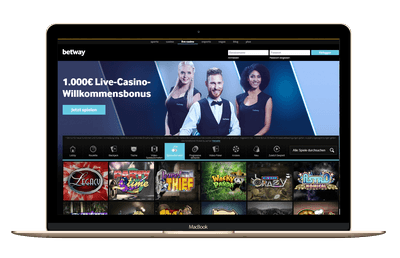
A large online casino lobby can be useful or overwhelming, depending on how you approach it. Rather than scrolling through thousands of titles, Canadian players can narrow the field by game type, feature, provider, demo availability and preferred pace. The catalogue described in betya casino reviews includes slots, table games, live dealers, instant games and more, so a simple discovery method makes it easier to compare unfamiliar options without treating short-term results as proof of quality.
Start with the type of game you actually want
The quickest way to make sense of a broad lobby is to decide what kind of experience you want before looking at individual titles. Video slots are suited to players who prefer automated rounds, themed visuals and feature-driven play. Classic slots usually offer simpler layouts and fewer mechanics. Progressive jackpot games may appeal to those interested in a changing prize pool, although the size of a potential prize does not make a game more likely to produce a win.
Table games create a different kind of decision. Blackjack, roulette, baccarat and craps each use different rules, betting choices and levels of player involvement. Video poker sits between slots and table games because the player makes decisions based on the cards shown. Bingo, keno and scratch cards provide other formats, while crash games rely on watching a multiplier rise and deciding whether to stop before the round ends.
Live dealer games are worth separating from standard digital table games. They use a video stream, a real dealer and a table interface, which can make the session feel more social and deliberate. Game-show formats add another style of presentation, while original instant games generally focus on short rounds and straightforward controls. Choosing a category first reduces visual clutter and helps you compare similar games rather than comparing unrelated formats.
Use lobby filters as a shortlist, not a recommendation
Game menus commonly include labels such as New, Hot, Top 50, Favorites and Recents. These labels can help with navigation, but they do not establish that one game is better, safer or more suitable than another. “Hot” may reflect recent activity or promotional placement, while “New” only indicates that a title has been added recently. Treat these sections as sorting tools, not evidence of likely results.
Provider filters can be more practical when you already recognize a studio’s visual style or game mechanics. A catalogue associated with more than 30 studios may include familiar names such as Pragmatic Play, Evolution, Play’n GO, Yggdrasil, Quickspin, Relax Gaming and BGaming. Studio familiarity can make browsing easier, but it still does not remove the need to read the individual game information. Different titles from the same provider can have very different rules and volatility.
A useful shortlist might contain three to five games from one category. For each title, note its format, main features, demo availability and any displayed RTP information. Then remove games that feel too complicated, too fast or too expensive for your intended session. This small process is more reliable than choosing from a large “best” section, because it bases the decision on your preferences instead of an unexplained ranking.

Read the information beneath the game title
Game artwork tells you very little about how a title behaves. Open the information panel and look for the number of paylines or ways to win, minimum and maximum stake information, bonus features and whether the game uses cascading reels, expanding symbols or a Hold & Win mechanic. Some slots also display bonus-buy options. Their presence does not mean they are necessary, and the cost and terms should be understood before considering them.
RTP, or return to player, is a long-run theoretical percentage calculated over a very large number of rounds. It is not a prediction for one session and does not guarantee that a player will receive a particular amount back. Volatility is another useful concept: higher-volatility games may produce less frequent but larger fluctuations, while lower-volatility games may produce smaller, more regular changes. Neither profile guarantees a profit.
Demo play can help you learn the controls and see how a feature is triggered, where available. It cannot verify a game’s RTP through a short sample, establish how often a bonus will appear or predict future results. Before switching to real-money play, check the title-specific details and any displayed rules. If the game information is incomplete, that uncertainty is a reason to choose a clearer option rather than assume the missing details.
Choose between digital, live and original formats
Digital RNG games are usually the easiest place to begin because rounds are controlled through an on-screen interface and can often be explored in demo mode. Slots, video poker, digital blackjack and digital roulette fall into this broad group. They are convenient for players who want a quick session, but their speed can also encourage more rounds than planned. A slower pace and a fixed session limit can make the format easier to manage.
Live dealer games offer a different trade-off. A streamed table with a dealer and chat can provide a more human presentation, and the pace may feel less mechanical. However, table availability, betting limits and stream quality can vary by game. Live roulette, blackjack and baccarat should be assessed by their published rules and available limits, not by the presence of a dealer or the atmosphere of the broadcast.
Original crash, Mines, Diamonds, Roulette, Blackjack and Baccarat games may be attractive when you want short, simple rounds. Their distinctive branding does not make outcomes more predictable. Crash formats especially require a clear understanding of how the round ends and how a cash-out decision works. If the rules are not obvious from the game screen, leave the title until you can confirm them from the operator’s stated information.
Build a personal shortlist for future sessions
After trying or reviewing several titles, create a shortlist based on the qualities that matter to you. This might include a few low-complexity slots, one preferred table game, a live option and an instant game. The Favorites and Recents areas can help with access, but they should not become a reason to continue playing automatically. Remove titles that are confusing, too fast or no longer fit your session plan.
It is also useful to record practical observations without treating them as statistical conclusions. You can note whether the interface was clear, whether the rules were easy to find, how long a typical round took and whether the game had features you understood. Do not record a few wins as evidence that a title is favourable, or a short losing run as proof that it is defective. Random outcomes can produce temporary patterns in either direction.
Review the shortlist when the lobby changes. New titles may be added, and categories such as Top 50 or Hot may shift over time. A game should remain on your list because you understand its format and like its pace, not because it appears prominently. If you decide to explore a new category, add only one or two titles at first. That keeps comparisons manageable and makes it easier to notice which formats genuinely suit your preferences.
Questions about choosing games
Should I choose a game with the highest RTP?
RTP can be a useful comparison point when it is clearly displayed for the specific title, but it is a long-term theoretical measure rather than a session forecast. Consider volatility, rules, pace and your comfort with the features as well. A higher displayed RTP does not guarantee a win or make short-term results predictable.
Are live dealer games more trustworthy than digital games?
A live stream changes the presentation, not the basic uncertainty of gambling outcomes. Digital games and live tables should both be assessed through their stated rules, limits and available information. A dealer’s presence does not guarantee favourable results, and a familiar studio name does not replace checking the individual game’s details.
Can demo play show whether a slot will pay?
Demo play can show how the controls, bonus features and round structure work. It cannot establish how a game will perform during real-money play or predict when a feature will appear. Use the demo to decide whether the format is understandable and enjoyable, then rely on the published game information for technical details.